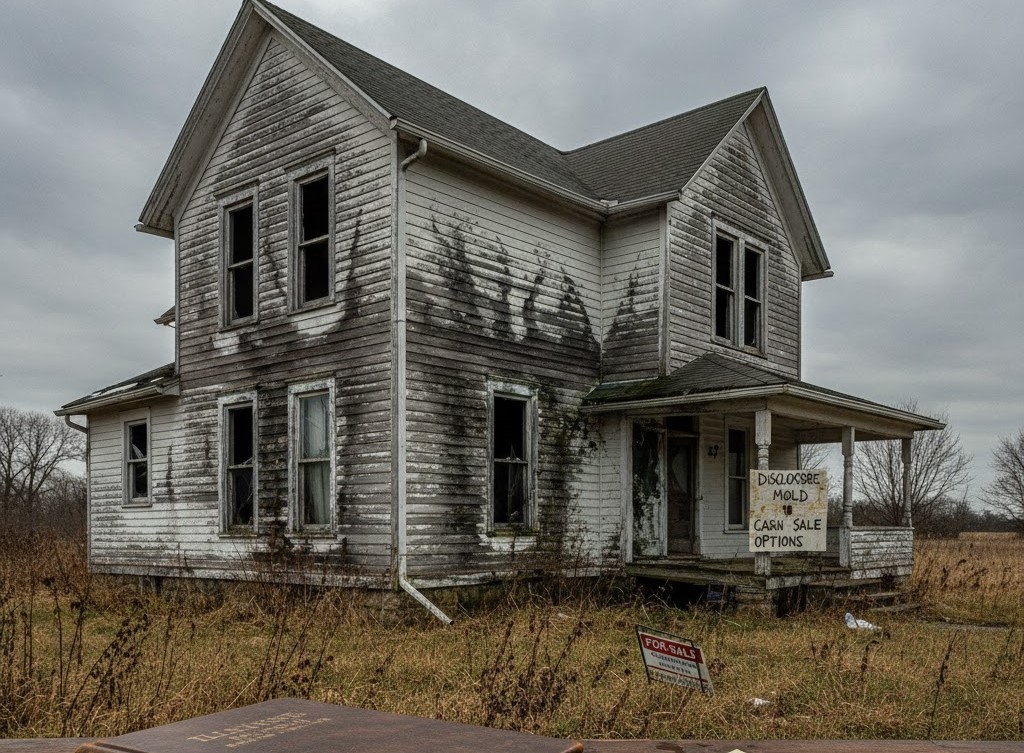
Water damage is one of the most stressful problems a homeowner can face. In Illinois—where heavy rain, snowmelt, flooded basements, sump pump failures, burst pipes, and storm damage are common—thousands of homes experience water issues every year. If your property has water damage or mold growth, you may already feel overwhelmed. Repair costs can be high. Insurance claims can take months. And selling the home in its current condition becomes difficult.
But here’s the important truth:
You can sell a water-damaged house in Illinois—even if the damage is severe, mold is present, or repairs are too expensive.
This guide explains everything you need to know, including disclosure laws, repair options, insurance claims, and how to sell the property as-is for a fast cash offer.
1. Understanding Water Damage in Illinois Homes
Water damage in Illinois usually comes from four major sources:
1. Basement Flooding & Heavy Rains
Illinois is known for heavy storms and flooding, especially in areas like Chicago, Aurora, Joliet, Peoria, Rockford, and Springfield. Poor drainage and old sewer systems make basement flooding common.
2. Burst Pipes & Frozen Plumbing
Cold winters cause frozen pipes, which can burst and flood an entire home.
3. Roof Leaks & Ice Dams
Older roofs and winter snow accumulation can lead to leaks, creating interior water damage and mold growth.
4. Appliance & HVAC Failure
Water heaters, sump pumps, dishwashers, washing machines, and HVAC units may fail and cause hidden leaks.
Water damage is rarely isolated. It often leads to secondary issues like:
- Mold growth
- Structural wood rot
- Damaged drywall
- Electrical hazards
- Damaged flooring
- Foundation cracks
- Odors and unhealthy air quality
Because repairs can be expensive, many homeowners look for ways to sell the home as-is.
2. Do You Have to Disclose Water Damage in Illinois?
Yes. Illinois law requires sellers to disclose any known defects that could affect the home’s value or safety—including:
- Past water damage
- Current leaks
- Flooding history
- Mold growth
- Roofing issues
- Basement seepage
- Plumbing problems
Illinois uses the Residential Real Property Disclosure Report, and failing to disclose water damage can lead to:
- Buyer lawsuits
- Financial penalties
- Fraud claims
- Forced compensation
Even if you repaired the damage, you must still disclose it.
If mold is present, you must disclose it as well. Illinois does not require a specific “mold report,” but hiding the issue is illegal.
3. How Water Damage Affects a Traditional Home Sale
Selling a water-damaged home through a real estate agent is very difficult. Here’s why:
1. Most Buyers Avoid Water-Damaged Homes
Buyers worry about future mold, structural issues, and costly repairs.
2. Inspections Will Reveal the Problem
Even if you try to repair it cheaply, an Illinois home inspector will almost always find:
- Moisture behind walls
- Mold spores
- Damaged framing
- Plumbing issues
3. Lenders Refuse to Finance Damaged Homes
Mortgage lenders often reject homes with:
- Active water leaks
- Mold contamination
- Structural wood rot
- Electrical hazards caused by water
That means even if you find a buyer, their loan may not be approved.
4. Repairs Delay the Sale
Contractors, permits, and weather delays can easily stretch repairs over weeks or months.
This is why many homeowners choose to sell as-is to a cash buyer instead.
4. Should You Repair the Water Damage Before Selling?
This depends on the severity of the problem, your budget, and your timeline.
When Repairs Make Sense
- Damage is minor (e.g., small leak, minor drywall replacement).
- You can afford contractors and materials.
- You want the highest retail sale price.
- You have time to wait for repairs and inspections.
When NOT to Repair
- Mold is widespread.
- Basement flooding keeps happening.
- Damage is structural.
- Insurance denied the claim.
- You cannot afford contractor estimates.
- You need to move quickly.
- The house is older or already distressed.
Many Illinois homeowners discover the biggest problem:
Water damage is rarely just one issue. Fixing it often reveals deeper problems.
5. Understanding Insurance Claims for Water Damage
Insurance can be helpful—but only in certain situations.
Most Illinois homeowners are surprised to learn:
Insurance Does Cover:
- Burst pipes
- Sudden appliance failures
- Storm-related roof damage
- Wind and hail damage
Insurance Does Not Cover:
- Basement flooding from heavy rain (requires separate flood insurance)
- Long-term leaks
- Mold caused by neglect
- Sewer backups (without optional coverage)
Many claims are denied due to “wear and tear” or “pre-existing damage.”
If your insurance denies the claim…
You still have the option to sell the house as-is for cash—without waiting months for approvals.
6. Challenges You May Face When Selling a Water-Damaged House
Here are the biggest obstacles Illinois homeowners face:
1. Mold Remediation Costs
Professional mold cleanup ranges from $1,000 to $15,000+ depending on spread.
2. Structural Repairs
Damage to floors, walls, roof trusses, or the foundation can cost tens of thousands.
3. City Code Violations
Water damage often leads to:
- Unsafe conditions
- Electrical hazards
- Missing drywall
- Uninhabitable home notices
4. Health Concerns
Mold can cause respiratory problems, aggravate allergies, and create liability issues for sellers.
5. Delayed Home Sale Timeline
Traditional buyers often withdraw after inspections.
These challenges push many homeowners toward selling as-is.
7. Selling Your Water-Damaged Home As-Is in Illinois
Selling as-is means:
- No repairs
- No cleaning
- No mold removal
- No open houses
- No contractors or inspections
This is the simplest option when dealing with serious water damage.
Benefits of Selling As-Is to a Cash Buyer
1. No Repairs Needed
Cash buyers purchase homes exactly as they are—even if there is:
- Active mold
- Flooded basement
- Roof leaks
- Burst pipes
- Fire damage from electrical shorts caused by water
2. Fast Closing
Cash offers typically close in:
7–14 days, compared to 60–90 days with traditional buyers.
3. No Agent Commissions
You avoid the standard 5%–6% real estate agent fees.
4. No Appraisals or Inspections
Banks and lenders are not involved, so there are no requirements.
5. Buyer Handles Mold & Repairs After Closing
You walk away from the problem.
6. Sell Even If the Home Has Violations or Liens
Cash buyers often work directly with the title company to clear liens at closing.
7. Avoid Dealing with Insurance
If insurance denied your claim, you can still sell immediately.
8. Selling a Water-Damaged Home to a Cash Buyer: How the Process Works
Here’s the typical process:
Step 1: Request a Cash Offer
A local Illinois cash buyer evaluates the property (no judgment, no pressure).
Step 2: Property Walk-Through (Optional)
Many buyers can give virtual or same-day offers.
Step 3: Review the Cash Offer
Offers are based on the home’s future value—not the current damage.
Step 4: Choose Your Closing Date
You can close:
- In 7 days
- In 14 days
- Or take up to 30 days
Whatever works best for you.
Step 5: Get Paid in Cash
You receive the payment directly from the title company.
Step 6: Leave Anything Behind
Water-damaged furniture, debris, and personal items can remain in the property.
9. How Much Can You Sell a Water-Damaged Home For?
The selling price depends on:
- Location in Illinois (Chicago, suburbs, rural areas)
- Severity of water damage
- Mold level
- Needed repairs
- Market demand
Cash offers are typically fair and transparent, calculated using:
After Repair Value (ARV)
− Repair Costs
− Holding & Transaction Expenses
= Cash Offer
This ensures you get a fast, no-hassle sale even if the home is in poor condition.
10. Tips for Selling a Water-Damaged House Without Stress
✔ Be Honest About the Damage
Full disclosure protects you legally.
✔ Don’t Attempt Cheap Repairs
Temporary fixes often create more problems later.
✔ Get Multiple Cash Offers
Compare options to ensure a fair price.
✔ Use a Reputable Illinois Cash Buyer
Local companies understand water damage laws and disaster-prone areas.
✔ Avoid “We Buy Houses” Scams
Choose companies that:
- Are local
- Use legitimate title companies
- Provide written agreements
- Do not charge fees
11. Final Thoughts: You Can Sell a Water-Damaged House in Illinois Without Repairs
Water damage can feel overwhelming—but it does not have to trap you in a home you no longer want.
You have three options:
✔ Repair the damage and list traditionally
✔ List the home as-is (expect delays and buyer withdrawals)
✔ Sell immediately to a cash buyer and avoid repairs, mold cleanup, insurance fights, and long wait times
For many Illinois homeowners, selling as-is to a cash buyer is the fastest, simplest, and safest option—especially when repairs are too expensive or the damage is severe.